What Is Reverse Automatic Braking for Commercial Trucks?
Reverse automatic braking stops a truck on its own when something is behind it. How it works on air-brake trucks, and how it differs from backup cameras.
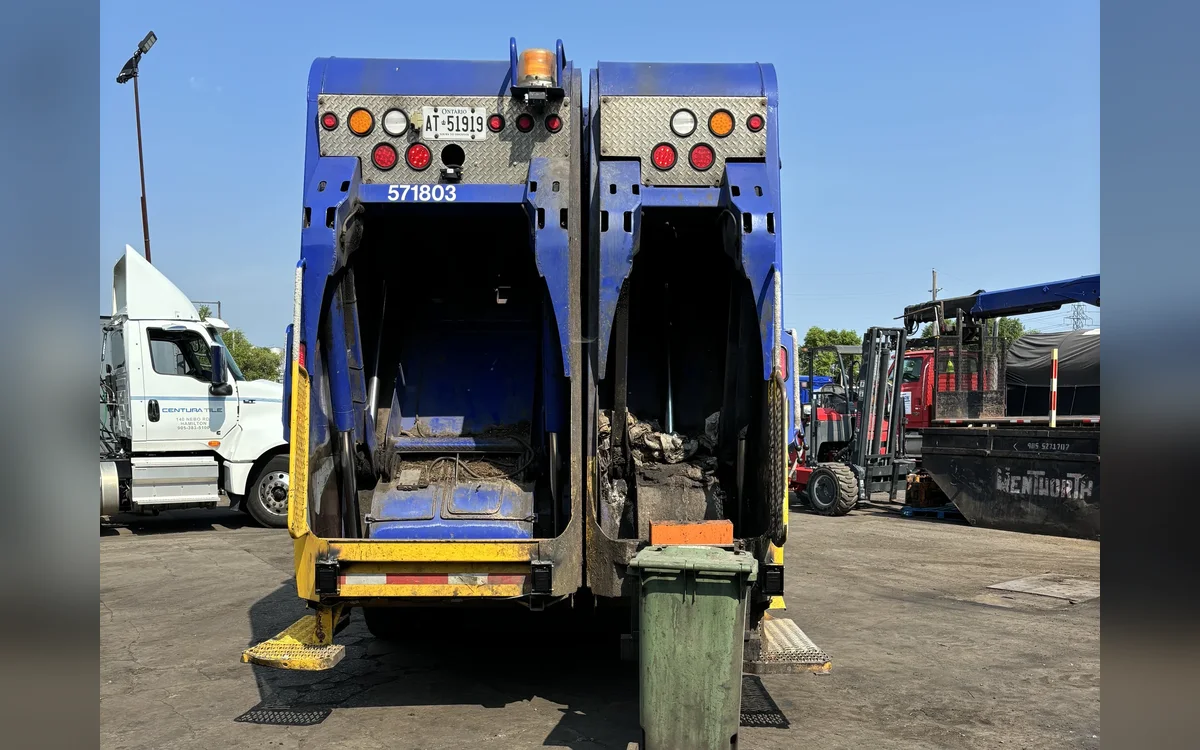
Reverse automatic braking is a safety system that stops a vehicle on its own when it detects something behind it while reversing. On commercial trucks, it reads the space behind the truck with rear sensors and applies the truck’s air brakes automatically. The driver does not have to see the hazard first.
You may have heard the term from cars. Many new SUVs and pickups now brake on their own in reverse. This guide is about the commercial truck version: garbage trucks, dump trucks, mixers and other heavy vehicles with air brakes, where the stakes are much higher.
Why trucks need it more than cars
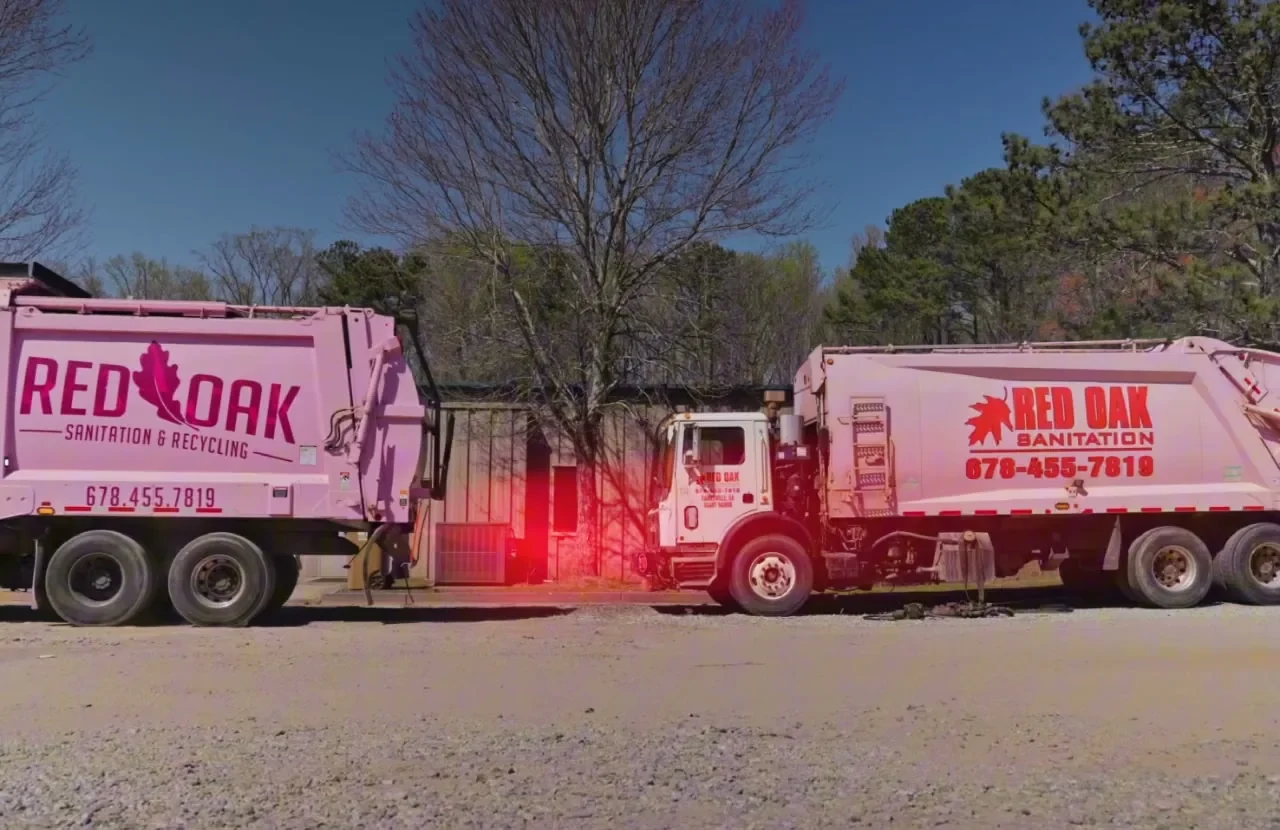
A garbage truck reverses hundreds of times a shift. It backs into alleys, cul-de-sacs and tight driveways, often before sunrise. The driver sits high, with large blind spots behind the body. Workers and the public walk behind the truck all day.
The data shows where that leads:
- 18% of worker deaths involving refuse trucks happened while the truck was backing up (NIOSH, 1980 to 1992 data).
- Of 49 workers killed by a dump truck at road work sites over five years, 40 were struck while the truck was backing up (BLS).
- Being struck by a vehicle is the second leading cause of death for construction workers (OSHA).
How reverse automatic braking works
Global’s Search Eye® system follows three steps every time the truck goes into reverse.
- System on. With the ignition on and the truck in reverse, a green “System On” light comes on in the cab.
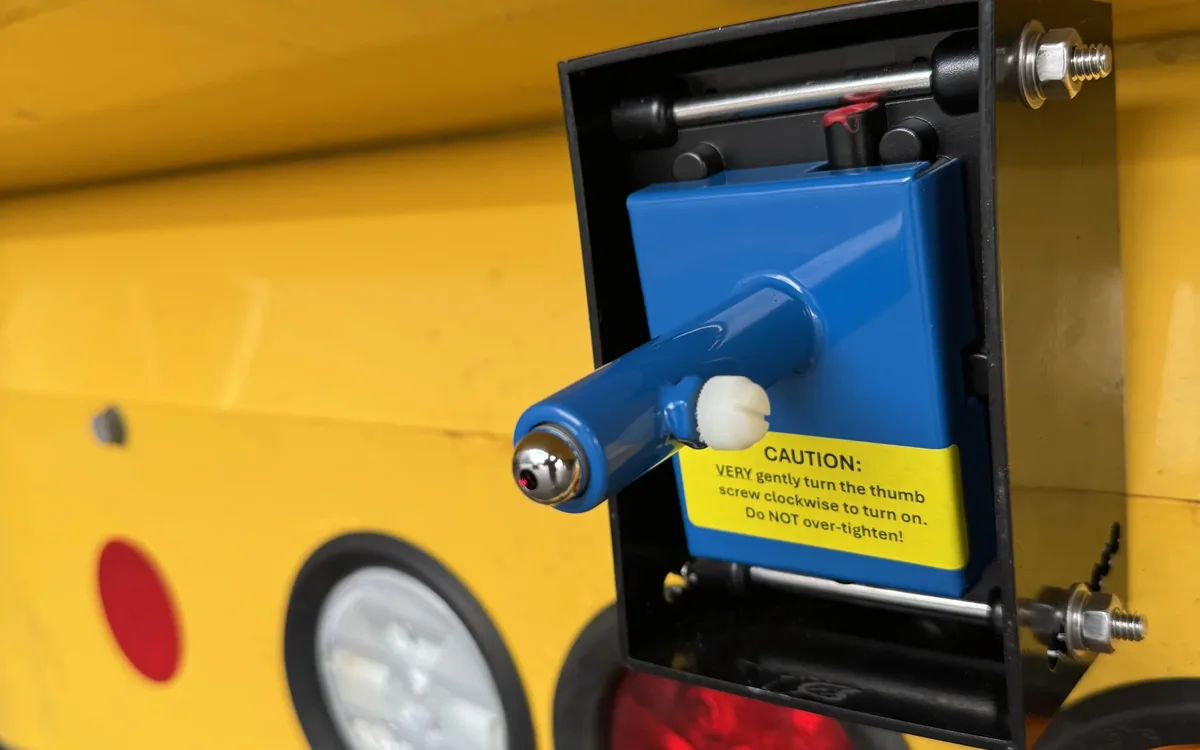
- Scanning. Infrared sensors on the rear of the truck watch the area directly behind it.
- Detected. Brakes applied. The moment something is there, the air brakes apply automatically through a brake valve on the truck’s existing air line. A yellow “Warning” light and a tone alert the driver at the same time.
Taking the truck out of reverse resets the system to automatic braking.
There are two models. The GS3000A/AV uses three rear sensors and the GS4000A/AV uses four. The right one depends on the size of the truck and how much of the rear needs coverage.
Reverse automatic braking vs. backup cameras
Cameras and backup alarms are passive safety. They give the driver information. The driver still has to notice it, understand it and press the brake in time. On a long early shift, any of those steps can fail.
Reverse automatic braking is active safety. It acts on the truck directly. The driver is still alerted, but the stop does not depend on them.
The two work well together. A camera helps the driver place the truck. Automatic braking is the backstop when something goes wrong anyway.
What about close work, like docks and containers?
Sometimes a driver needs to back up close to something on purpose. With Search Eye, the driver presses Auto Brake OFF. A red light and a pulsing tone make it clear the automatic brake is off, and the sensors still warn. Automatic braking comes back when the driver presses Auto Brake ON or takes the truck out of reverse and back in, so it never stays off for the next reverse.
A side effect fleets did not expect: better backing habits
Search Eye stops the truck. It does not slow it down gradually. So the harder the stop, the faster the driver was backing. In client fleets, “How fast were you backing up?” has become a question supervisors ask after every hard stop. Over time, the system coaches safer backing, not just fewer collisions.
What it costs vs. what an accident costs
Search Eye is a one-time purchase with a two-year warranty and no subscription. One backing accident can cost a fleet far more once you add repairs, downtime, claims and insurance. See what one backing accident really costs.
Where to go next
- How Search Eye works, step by step
- Automatic reverse braking for garbage trucks
- Automatic reverse braking for construction trucks